

Do Retreat Sheds Require a Concrete Slab or Foundation?
 Superior Granny Flats Team
 July 11, 2025
 So you've finally decided to create your perfect backyard retreat shed. Maybe it's going to be your peaceful workspace, hobby room, or a place to simply escape the hustle and bustle of daily life. You've chosen the design, picked out the materials, and you're ready to begin.
But then comes the question that stumps many homeowners – do you actually need a concrete slab or foundation for your retreat shed?
It's a fair question, and one that doesn't have a simple yes or no answer.
The truth is, the foundation requirements for your retreat shed depend on several factors, including its size, intended use, local council regulations, and building classifications.
Let's get into everything you need to know to make the right decision for your project.
Retreat Sheds and Building Classifications
Before we talk foundations, it's crucial to understand how Australian building codes classify different types of sheds.
The Building Code of Australia (BCA) classifies a Class 10a building as a non-habitable building being a private garage, carport, or shed. Most standard garden sheds fall into this category.
However, if you're planning a retreat shed that you'll use for extended periods, or one that includes certain facilities, things get more complicated.
If you have a room in your shed or if you use your shed as one of the following (even if the shed contains only a single room) then your shed will be classified as a class 1 building. This includes spaces intended for sleeping, cooking, or living.
The distinction matters because Class 1 buildings have much stricter foundation requirements than Class 10a structures. If your retreat shed will truly be a place to relax and store equipment rather than a living space, you'll likely stay within Class 10a limits.
But if you're planning something more substantial – perhaps with a kitchenette or sleeping area for overnight stays – you'll need to consider Class 1 requirements.
If you’re looking for options when it comes to a builder, Superior Granny Flats is the way to go. We proudly serve many areas with top-quality top-quality granny flats in Dandenong, Windsor, Hoppers Crossing, and Laverton.
When You Absolutely Need a Concrete Foundation
For Larger Sheds
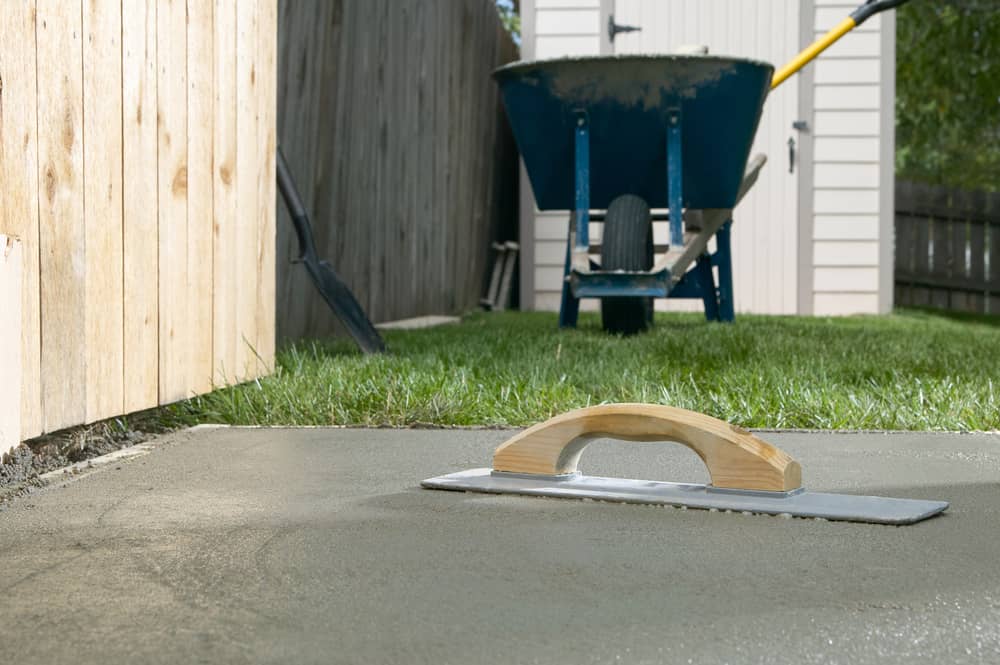
If your shed is greater than 3m X 3m, you're advised to install a concrete base. The foundational strength brought by concrete is necessary to ensure structural stability for larger sheds. This is particularly important in Australia's diverse climate conditions, where your shed needs to withstand everything from cyclonic winds in the north to frost in the southern regions.
Building Permit Requirements
If your shed requires a construction permit, you'll likely need a concrete base in order to achieve the required N4 wind rating. Many councils require permits for sheds over a certain size, and these often come with mandatory foundation specifications.
Heavy Equipment Storage
If your retreat shed will house heavy equipment like workshop machinery, motorcycles, or boats, a concrete foundation becomes essential. A shed with a solid concrete base can withstand the pressure of large equipment and vehicles.
Soil Conditions
In areas with reactive soils or poor drainage, concrete foundations provide the stability that other foundation types simply can't match. Getting the site ready is crucial for the shed foundation to succeed. First, check the soil and make sure to compact it well.
Alternative Foundation Options
While concrete is often the gold standard, it's not always necessary for every retreat shed. Let's explore the alternatives that might work for your situation.
Timber Frame Foundations
A timber-frame foundation is made by constructing a rectangular, wood frame and positioning it on top of a bed of gravel. It is very easy to build. This option is popular because it's more affordable and offers flexibility if you ever need to relocate your shed.
Timber foundations work particularly well for smaller retreat sheds and offer some unique advantages. If your yard is a work in progress, you may want to leave yourself the option of moving things around someday. This is not possible with a concrete base. Additionally, wooden floors feel warmer and more comfortable than concrete, which might be important if you're planning to spend extended time in your retreat.
Gravel Foundations
For budget-conscious builders, gravel foundations offer an excellent middle ground. If you're looking for a budget-friendly option, consider a gravel foundation. While not as permanent as concrete, a thick layer of compacted gravel can support your shed effectively. It also offers good drainage, preventing water from pooling around the shed's base.
Paver Systems
A paver shed base is made from paving blocks. You can find them in a range of materials, including concrete and brick. The tiles fit together tightly, creating a sturdy base for the shed. This option strikes a balance between affordability and stability.
Factors to Consider for Your Retreat Shed
Site Conditions
Your property's specific conditions play a huge role in foundation decisions. You obviously need your shed to be level, so if the site has a significant fall, installing a concrete base will require a lot of fill, which can be prohibitively expensive. On sloping sites, timber foundations with adjustable posts might be more practical and cost-effective.
Local Climate
Australia's diverse climate zones each present unique challenges. In areas prone to flooding, you'll need a raised foundation regardless of the material you choose. In bushfire-prone regions, there may be specific requirements about non-combustible materials near your home.
Council Regulations
Don't forget to check with your local council before making any decisions. Check with local councils as they often have requirements regarding shed foundations, especially for larger structures. Getting the necessary approvals can save you headaches down the road.
Future Flexibility
Think about your long-term plans. If you might want to upgrade your retreat shed or move it in the future, a permanent concrete foundation might not be the best choice. Note that all SteelChief sheds are easy to disassemble and reassemble, making them ideal candidates for timber bases.
We specialise in building high-quality prefabricated granny flats, sleepouts, relocatable homes, and cabins across Victoria and Queensland.
Professional vs DIY Installation
The complexity of foundation work often determines whether you should tackle it yourself or hire professionals. In this particular situation, we suggest doing a compromise.
We recommend preparing the soil, building the timber frame for the concrete and placing the reinforcing mesh yourself. I then propose engaging the services of a professional concreter to do the pour.
For concrete foundations, professional installation often makes sense due to the specialised tools and expertise required. However, simpler foundations like timber frames or gravel bases are well within the capabilities of most DIY enthusiasts.
Cost Considerations
Budget is often a deciding factor in foundation choice. Shed foundations made out of wood are the least expensive base on the market. Concrete foundations have higher upfront costs but offer superior longevity.
When budgeting for your foundation, remember to factor in site preparation costs. For a concrete foundation, you'll need to dig out 10-15 cm of soil. Whether using gravel or concrete, ensure the base is level and remove any large stones or roots that might interfere.
Making the Right Choice for Your Retreat Shed
So, does your retreat shed require a concrete slab or foundation? The answer depends on your specific circumstances, but here's a practical guide:
Choose concrete if:
- Your shed is larger than 3m x 3m
- You need a building permit
- You're storing heavy equipment
- You have challenging soil conditions
- You want maximum longevity and stability
Consider alternatives if:
- Your shed is smaller and lighter
- Budget is a primary concern
- You value flexibility for future changes
- Your site has a significant slope
- You prefer a warmer, more comfortable floor
Remember, the foundation is the backbone of your entire project. A foundational base is critical to maintaining the structural integrity of your shed. It's like the backbone of the whole setup – without it, the shed could collapse under its own weight or during a strong gust of wind.
Ready to Build Your Dream Retreat Shed?
Building the perfect retreat shed starts with making informed decisions about your foundation.
Whether you choose concrete, timber, or an alternative solution, the key is matching your foundation to your specific needs, budget, and local conditions.
At Superior Granny Flats, we understand that every project is unique. Our experienced team can help you navigate the complexities of building codes, foundation requirements, and design options to create the perfect retreat shed for your needs.
Don't let foundation decisions hold back your dream project – contact us today for expert guidance and a personalised consultation. Let's build something amazing together.
- Steel-Frame Kit Homes vs Timber-Frame Kit Homes: Which Should You Choose?
- How Granny Flats Can Help You Pay Off Your Mortgage Faster
- Common Mistakes to Avoid When Building a 2-Bedroom Granny Flat
- Rental Investment Guide: Granny Flats vs Pre-Built Homes VIC & QLD
- How to Make Your Granny Flat Stand Out in the Rental Market


Brands We Work With






for further information
 superiorgrannyflats


